Compare Local Contractors for Boundary Fence Installation Success
Compare local contractors to define scope, verify experience, and set clear expectations for boundary fence installation that meets your property needs.
Boundary fence installation typically involves constructing a barrier along the perimeter of a property to establish clear boundaries, enhance privacy, and improve security. This work can include various types of fencing materials such as wood, vinyl, chain-link, or metal, each suited to different needs and aesthetic preferences. Contractors in this field often handle tasks like site preparation, post setting, framing, and finishing touches to ensure the fence is durable and visually appealing. Understanding the scope of the work helps property owners communicate their expectations clearly and ensures that the project covers all necessary aspects, from initial groundwork to final installation.
Defining the scope of boundary fence work is an essential step in planning a project. It involves specifying the size and layout of the fence, selecting appropriate materials, and determining any additional features such as gates or decorative elements. Clear scope definition helps prevent misunderstandings and scope creep, which can lead to disputes or incomplete work. When working with contractors, it’s important to have written agreements that outline the project details, responsibilities, and deliverables. This documentation serves as a reference point throughout the project, helping both property owners and service providers stay aligned on expectations.
Property owners seeking boundary fence installation can compare local contractors by considering their experience, reputation, and the range of services offered. It’s practical to verify how long a contractor has been working in the area and whether they have handled similar projects. Reviewing portfolios or references can provide insight into the quality of work and reliability. Additionally, property owners should inquire about how each contractor plans to approach the scope of work, including site preparation, material choices, and finishing details. By gathering this information and requesting detailed written proposals, property owners can make informed decisions and select service providers that best meet their needs for the project.
Compare local contractors by outlining your project priorities, verifying experience, and clearly defining expectations in writing.
- Compare Contractors - review multiple local service providers to find the best match for boundary fence installation needs.
- Define Scope Clearly - establish detailed project requirements to ensure all parties understand the work involved.
- Verify Experience - check the background and previous work of local contractors to assess their expertise.
- Set Expectations in Writing - document project details and agreements to promote clarity and accountability.
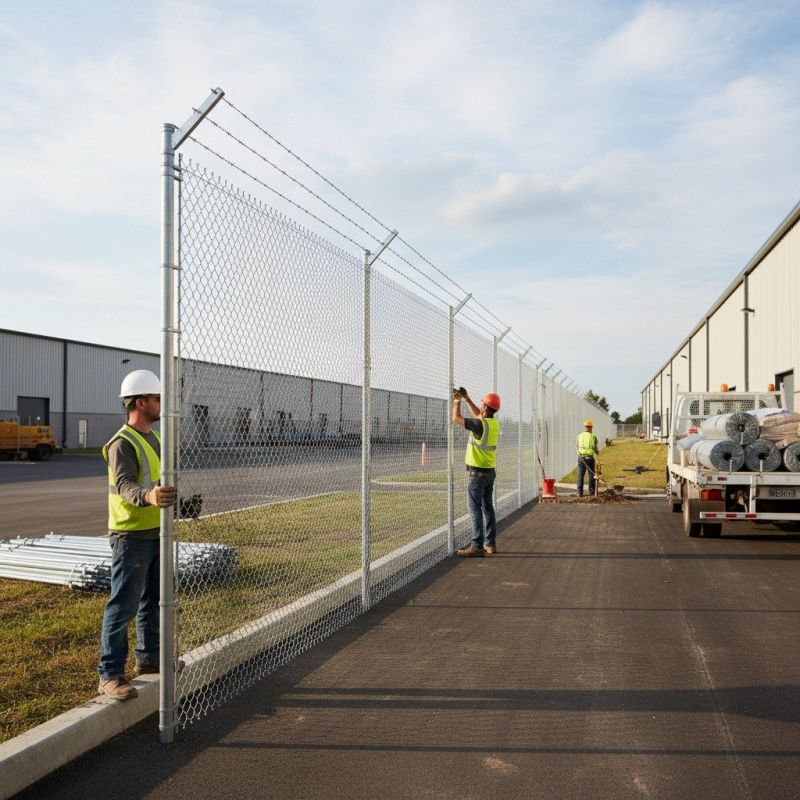
Clearly describe your boundary fence project and compare local contractors to ensure expectations are aligned.
- Verify the contractor’s experience with boundary fence installation to ensure they are knowledgeable about local regulations and best practices. - Clearly define the scope of work and materials in written agreements to prevent misunderstandings.
- Assess the contractor’s understanding of property boundaries and ensure proper marking before installation begins. - Confirm that the service provider is familiar with local zoning laws and property line requirements.
- Check references or reviews to gauge the quality of previous boundary fence projects completed by the contractor. - Ensure the contractor provides detailed project plans and specifications for approval before starting work.
- Discuss and agree upon the project’s scope, including fence height, materials, and design, in a written contract. - Make sure the contractor is aware of any neighborhood or community guidelines that may affect the installation.
- Ensure the contractor obtains any necessary permits or approvals required by local authorities prior to installation. - Confirm that the scope of work includes site preparation and cleanup after project completion.
Compare local contractors' experience and clarify project scope to ensure expectations are aligned.
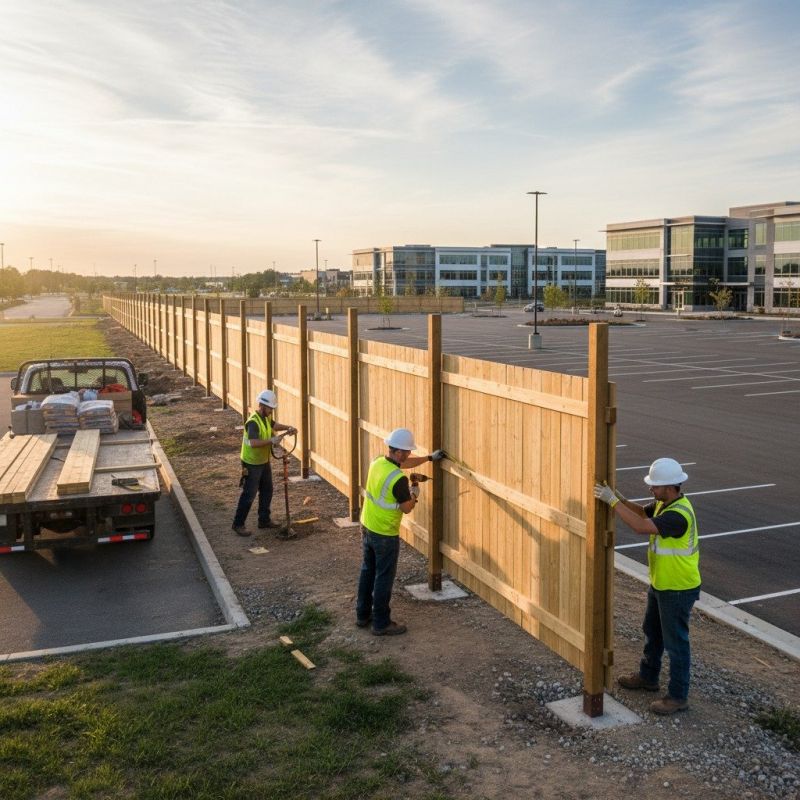
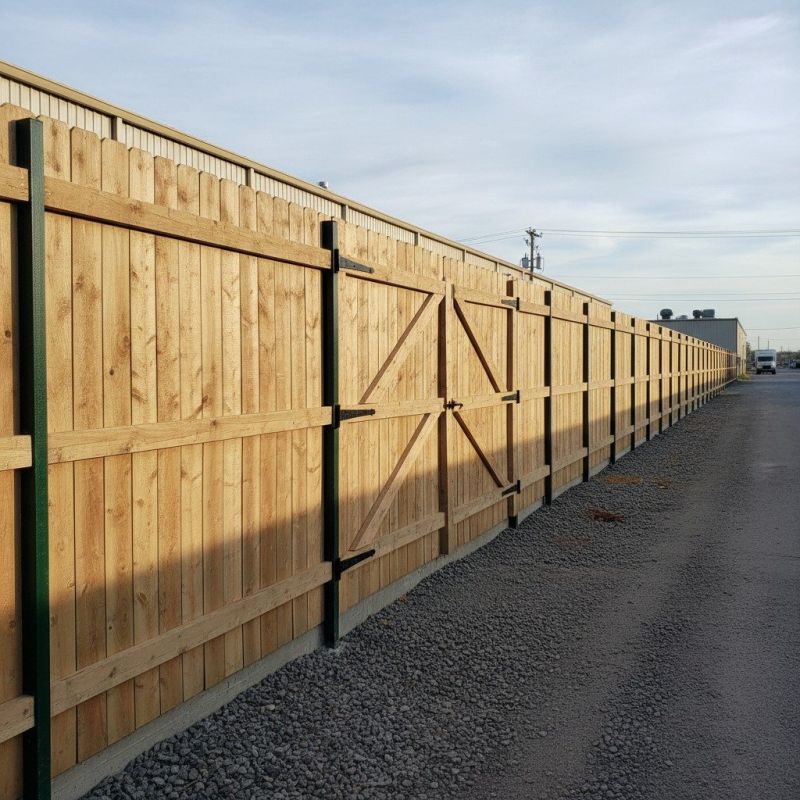
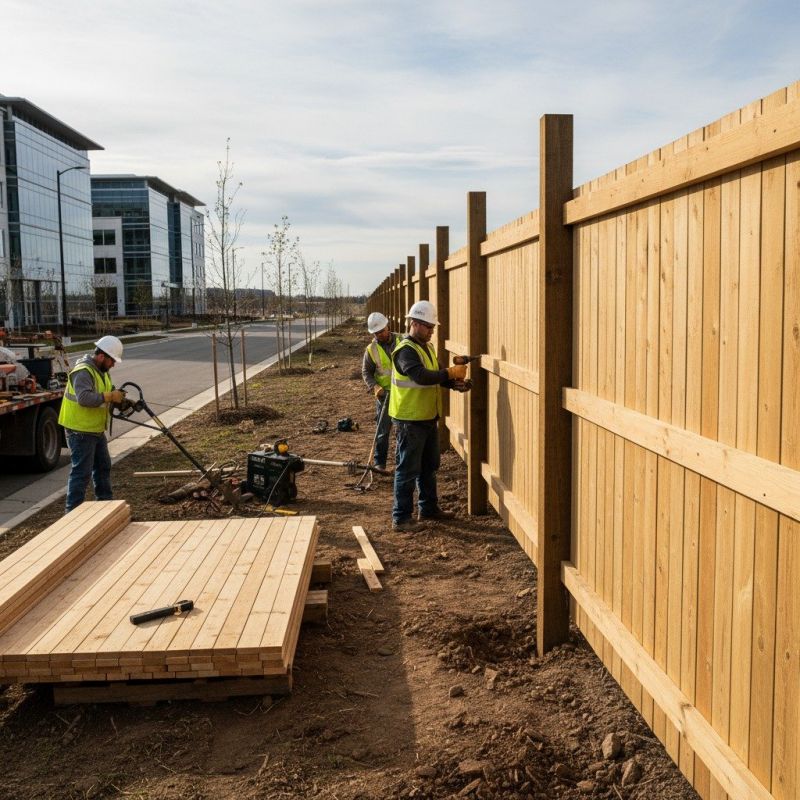
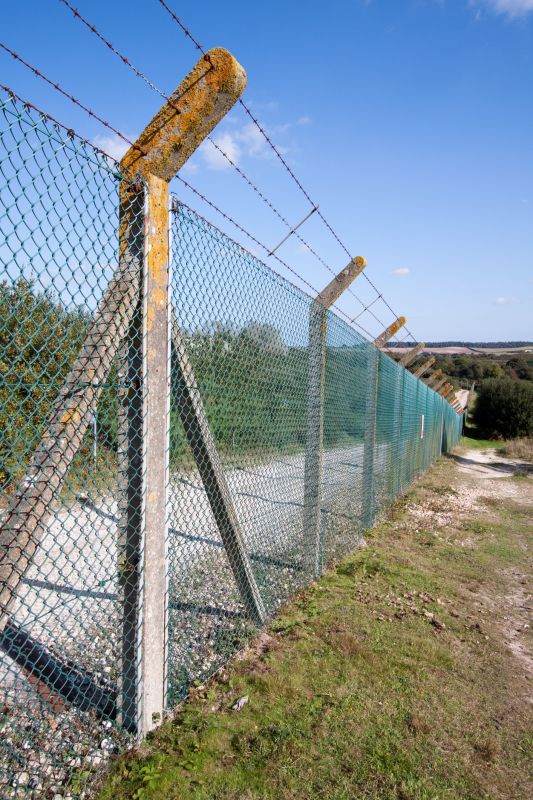
Learn how to compare boundary fence installation contractors, define project scope, verify experience, and set clear expectations in writing.
- Property Boundaries - Clearly identify and mark the property lines to ensure the fence is installed within legal boundaries.
- Material Specifications - Define the type, height, and style of fencing materials to be used for the installation.
- Design and Layout - Determine the desired fence layout, including gate locations and any special features or setbacks.
- Installation Requirements - Specify site conditions, including terrain and existing structures, that may impact installation.
- Scope of Work - Outline the specific tasks and responsibilities expected of the service provider during fence installation.
When comparing contractors for boundary fence installation, it is important to evaluate their experience with similar projects. Homeowners should inquire about the types of fencing they have installed in the past and whether they have worked on properties with comparable features or challenges. A contractor’s familiarity with different fence materials, terrain considerations, and local regulations can influence the quality and durability of the finished project. Gathering details about their previous work helps ensure that the service provider has the practical knowledge needed to handle the specific requirements of the site.
A clear, written scope of work is essential for establishing mutual understanding and setting expectations. Homeowners should seek contractors who can provide detailed descriptions of the work involved, including materials to be used, the extent of excavation or preparation, and any additional services such as gate installation or finishing touches. Having this information documented helps prevent misunderstandings and provides a reference point for the project’s progress. A comprehensive scope also acts as a foundation for verifying that all parties agree on what will be delivered.
Verification basics involve confirming that contractors have the necessary experience and a track record of successful boundary fence projects. Homeowners can ask for references or examples of recent work, and verify that the contractor’s previous clients report satisfactory results. It is also helpful to check if the contractor has the appropriate insurance coverage or bonding, which can provide additional assurance of professionalism and accountability. These verification steps help ensure that the chosen service provider has the background and stability to complete the project to expectations.
Evaluating options without discussing prices involves focusing on the quality of work, communication, and the clarity of proposals. Homeowners should compare how well each contractor understands the scope, the level of detail in their written proposals, and their responsiveness to questions. Considering the experience, references, and the thoroughness of the scope can help identify service providers who are capable of delivering a reliable, well-executed boundary fence installation. This approach supports making an informed decision based on quality and professionalism rather than cost alone.
Ask contractors to provide written scope details to ensure clear understanding and consistent project expectations.
- Experience and References - How can I verify a contractor’s experience and check references for boundary fence projects?
- Scope of Work - What details should be included to clearly define the scope of the fence installation?
- Materials and Design - How do I compare the types of fencing materials and design options offered by different service providers?
- Permits and Regulations - What responsibilities do local contractors have for ensuring compliance with boundary fence regulations?
- Written Estimates and Contracts - Why is it important to have a detailed, written scope of work and agreement before starting the project?
What should I consider when choosing a contractor for boundary fence installation? It's important to compare experience, reputation, and scope of services offered. Verifying that contractors understand your specific needs can help ensure the project meets expectations.
How can I define the scope of my boundary fence project? Clearly outline the desired fence type, length, height, and materials. Communicating these details in writing helps contractors provide accurate proposals and avoids misunderstandings.
Why is it helpful to verify a contractor’s experience with fence installation? Experience indicates familiarity with local conditions and best practices, which can contribute to a smoother installation process and a durable result.
What questions should I ask contractors during the comparison process? Inquire about their previous projects, methods of installation, and how they handle potential challenges. This helps assess their expertise and compatibility with your project needs.
How important is it to have the project details in writing? Putting scope, materials, and responsibilities in a written agreement helps set clear expectations and provides a reference throughout the project.
What role does reputation play when selecting a boundary fence contractor? A contractor’s reputation, reflected through reviews or references, can give insight into their reliability and quality of work, aiding in making an informed choice.
This page has provided an overview of key considerations when selecting contractors for boundary fence installation. Visitors learned how to define the scope of work clearly, verify the experience of potential service providers, and ensure expectations are outlined in writing to help facilitate a smooth project. Comparing local contractors through a structured approach can help identify options that align with specific needs and preferences.
Utilizing the quote form allows for easy comparison of local service providers, making it simple to explore available options in the area. Connecting with qualified contractors can help ensure the project is planned according to individual requirements, providing clarity and confidence in the process.